You should stop using cannabis at least 72 hours before oral surgery involving general anesthesia and wait until your oral surgeon confirms it’s safe to resume after your procedure. The timing depends on the type of surgery, how you’re healing, and whether you’re taking pain medication. Smoking, vaping, and edibles carry different risks that can affect anesthesia and recovery.
Table of Contents
Why You Should Tell Us About Cannabis Use
Cannabis products contain compounds such as THC and CBD that can affect how your body responds to medications and anesthesia. Even occasional use is important to discuss before any surgical procedure.
Before surgery, let us know:
- Which cannabis products you use, including THC, CBD, edibles, or vape products
- How often you use cannabis
- How much you typically consume
- When you last used cannabis
This information helps us evaluate potential risks and plan sedation based on your health and individual needs.
How Cannabis Can Affect Anesthesia
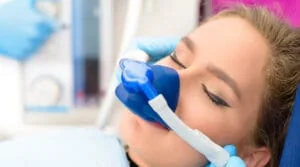
Cannabis can influence heart rate, blood pressure, breathing, and the amount of anesthesia needed during surgery.
Potential concerns include:
- Changes in anesthesia needs: Regular cannabis use may affect the amount of medication required to achieve and maintain sedation.
- Increased heart rate: Cannabis, particularly when smoked, can temporarily increase heart rate and blood pressure.
- Airway irritation: Smoking cannabis can irritate the airways, increasing the risk of coughing or breathing difficulties during anesthesia.
- Impaired judgment: Recent cannabis use can affect alertness and decision-making, making it unsafe to proceed with elective surgery while intoxicated.
The effects vary depending on the product, frequency of use, and timing of the last dose.
How Cannabis Can Affect Healing After Oral Surgery
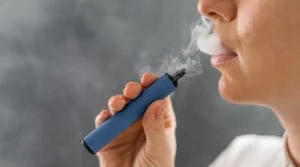
Smoking or vaping cannabis after tooth extractions, dental implant surgery, or bone grafting can interfere with healing. Although the risks vary by procedure, smoke, heat, and the suction involved in inhaling can all create problems while your mouth recovers.
- After tooth extractions: A blood clot forms in the empty socket to protect the underlying bone and nerves. The suction from smoking or vaping can disturb this clot, increasing the risk of dry socket, a painful complication that can delay healing.
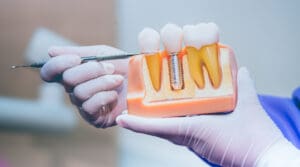
- After dental implant surgery: The gums need to heal around the implant while the surrounding jawbone gradually bonds to it. Smoking can reduce blood flow and oxygen delivery to healing tissues, increasing the risk of infection, delayed healing, and implant failure.
- After bone grafting: The grafted area needs a healthy blood supply and stable conditions for new bone to develop. Smoking can interfere with tissue healing and may compromise the success of the graft.
Avoid smoking or vaping cannabis until our team confirms that your surgical sites have healed enough to resume. The recommended waiting period depends on your procedure and how your recovery is progressing.
Are Edibles Safer After Oral Surgery?
Edibles avoid the smoke, heat, and suction associated with smoking or vaping, but they are not necessarily safe during recovery. THC and CBD can affect alertness and interact with medications used during and after surgery. Combining cannabis with certain prescription pain medications or sedatives may increase drowsiness, dizziness, and impaired coordination.
Avoid edibles while recovering from anesthesia or taking medications that may interact with cannabis. Do not replace prescribed pain medication with cannabis unless we have reviewed and approved that change.
When Can You Use Cannabis Again?
There is no single recovery timeline that applies to every patient. When you can safely resume cannabis depends on the procedure, how well the surgical area is healing, the products you use, and whether you are still taking medication.
FAQs
What happens if I smoked cannabis the night before surgery?
Contact us before your appointment and explain when and how much you used. Whether surgery can proceed depends on the timing, your symptoms, and the planned anesthesia. Do not assume it is safe simply because you no longer feel the effects.
Can I use cannabis instead of pain medication?
Cannabis is not a recommended substitute for pain medication after oral surgery. Unlike commonly recommended pain medications, cannabis does not provide the same proven pain relief and anti-inflammatory benefits. Follow the pain management instructions we provide and speak with our team before using cannabis during recovery.
Can I use cannabis if I’m only having local anesthesia?
Even if you’re not being sedated, cannabis can affect your heart rate, blood pressure, and response to medications used during oral surgery. Let our team know about your cannabis use before your procedure so we can advise you on when to stop.
What if I use cannabis to manage dental anxiety?
If you rely on cannabis to feel calm enough to attend a dental appointment, let us know before your surgery. We offer many different types of anesthesia as an alternative to help you manage dental anxiety and feel more comfortable during your visit. Our team can discuss your concerns ahead of time and help you choose an appropriate anesthesia option.
Preparing for a Safe Surgery Experience
Being open about cannabis use helps us plan anesthesia and recovery instructions that fit your needs. Avoiding cannabis around surgery, as directed, can help reduce preventable complications.
At Offshore Oral & Facial Surgery, Dr. Drake leads a team of oral surgeons who take an individualized approach to anesthesia, treatment, and recovery. If you have questions about cannabis use before an upcoming procedure, contact our San Marcos or Vista, CA office for guidance.