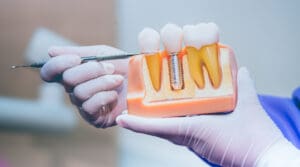
After dental implant surgery, eating may feel a little different while your mouth is sore or swollen. Start with soft foods that require minimal chewing, then gradually add more texture as your comfort improves and according to the instructions we give you after surgery.
Table of Contents
Soft Foods to Eat After Dental Implant Surgery
After dental implant surgery, start with foods that are smooth, cool or lukewarm, and require little or no chewing. This helps you avoid unnecessary pressure on the surgical area while your mouth is still tender.
Good options for the first day may include:
- Yogurt
- Applesauce
- Pudding
- Smooth mashed potatoes
- Cottage cheese
- Smooth soups that have cooled
- Scrambled eggs
- Smoothies eaten with a spoon rather than through a straw
If your mouth is still numb, eat slowly and take extra care not to accidentally bite your cheek, lip, or tongue.
Foods to Eat During the First Few Days
After the first day, you can gradually add foods with a little more texture as soreness and swelling improve. The goal is to get more variety and nutrition without putting too much chewing pressure on the implant site.
Good options include:
- Oatmeal or cream of wheat
- Soft pasta
- Mashed potatoes or sweet potatoes
- Soft-cooked vegetables
- Avocado
- Flaky fish
- Tender, finely chopped meats
- Beans
- Soft fruits without seeds
- Pancakes
- Macaroni and cheese
Try to chew away from the implant site when possible. If a food feels uncomfortable or requires more chewing than expected, stick with softer options and try it again as your mouth continues to heal. The most important thing to understand though is to maintain good oral hygiene after the surgery.
Foods to Avoid While Your Implant Site Heals
Some foods can put excessive pressure on the surgical area or irritate healing tissues. During the early stages of recovery, avoid foods that are hard, crunchy, sticky, or difficult to chew.
Examples include:
- Nuts and seeds
- Popcorn
- Chips and pretzels
- Hard or crusty bread
- Raw, crunchy vegetables
- Tough or chewy meats
- Sticky candy
- Very spicy foods
- Very hot foods and drinks
Also be careful with foods that crumble or leave small pieces behind, since they can collect around the surgical site and be difficult to remove while the area is healing.
When to Return to a Normal Diet
You can gradually return to your normal diet as soreness and swelling improve, but the timing depends on the number and location of your implants and how your mouth is healing. Start by adding foods that require a little more chewing, and continue avoiding direct pressure on the implant site until we tell you it is appropriate.
You may need to follow a soft diet for longer if your implant placement included bone grafting or another procedure. After full-arch dental implant treatment, a longer soft-food period may also be recommended, even if you leave with temporary teeth, because the implants underneath still need time to heal and integrate with the surrounding bone.
Follow the postoperative instructions we give you rather than using comfort alone to decide when to eat harder foods. If a food causes pain or requires significant chewing effort, return to softer options and try it again later.
FAQs
Can I eat immediately after dental implant surgery?
Wait until you are alert and the numbness has started to wear off before eating. If you had sedation, you may feel groggy or mildly nauseous at first, so start with a small amount of soft food and fluids when you feel ready. It is also recommended that you eat something small before taking pain medication to reduce the chance of stomach upset.
Can I drink coffee after dental implant surgery?
Avoid hot coffee for the first 24 hours after dental implant surgery. After that, you can begin drinking coffee again, but let it cool to a lukewarm temperature at first and do not use a straw. Follow your surgical team’s instructions if you were given different recommendations for your procedure.
Can I eat bread after getting a dental implant?
Yes, soft bread without the crust can be eaten during recovery as long as it does not require much chewing. Avoid crusty bread, toast, and other hard or chewy breads that can put pressure on the surgical area. Tear soft bread into small pieces and chew away from the implant site when possible.
Dental Implant Care in San Marcos and Vista
If you are considering dental implants, contact Offshore Oral & Facial Surgery to schedule a consultation. If you recently had implant surgery at one of our offices and have questions about what you can eat during recovery, please call our team for guidance.